


Sustainability @ RVRC
Sustainability is intricately woven into the living-learning fabric of RVRC, encompassing the physical environment, academic programme, student and residential life.
RVRC Block G is a Green Mark Gold-Plus certified building that boasts several energy saving, water efficient, and environmentally responsive design features. Most RVRC courses are aligned with the UN Sustainable Development Goals and address various aspects of sustainability ranging from gender equality and sustainable cities to sustainable consumption and climate action. Beyond the academic curriculum, a range of student-led Interest Groups focus on sustainability, engaging students to foster awareness and lead meaningful actions.
Sustainability in RVRC Courses

Sustainability in RVRC Courses
The RVRC Programme aims to familiarize students with the three pillars of sustainability: economic, environmental, and social, while addressing the UN Sustainable Development Goals (SDGs). Consequently, most courses incorporate sustainability themes into their syllabi. This often involves field trips to observe and assess sustainability issues, industry visits to engage with sustainable businesses, or collaborations with community partners on sustainability-centric projects. Many courses also involve final projects that address real-life sustainability issues, allowing students to work on the NUS campus with different institutional partners as well as collaborate with community and industry partners to implement their solutions beyond the campus.
To find out more about the RVRC Courses and their connection to sustainability please click here
Sustainability in Outdoor Learning

Sustainability is central to the RVRC outdoor education programme, which emphasizes environmental stewardship. Extracurricular outdoor education initiatives connect students with nature and culture in Singapore and abroad. These initiatives focus on physical participation and hands-on activities to engage students beyond the classroom. RVRC encourages students to be curious and open to new experiences, whether through the Kayak & Clean initiatives, the Intertidal Walk and Clean efforts, the Leopard Cat Quest night walks in Pulau Ubin, Heritage Walks to observe cuktural sustainability and conservation needs, and reforestation projects in Chestnut Nature Park.
To find learn more about the RVRC Outdoor Learning programmes that engage students in sustainability click here
Sustainability in RVRC Interest Groups
Sustainbility extends into The RVRC interest group Green Rangers connects students to nature through gardening and environmental activities, such as mangrove and coastal clean-ups. RV Climate Café aims to raise awareness of environmental issues while countering eco-anxiety. RV FoRestore brings together a community that cares for forests, raising awareness and appreciation of Singapore’s forests through hands-on activities like surveys and reforestation projects. RV Photography leads immersive nature walks where environmental awareness is fostered via the alternative format of images. Artelier, the art interest group often leads nature-themed activities using mixed media, once again enabling students to foster awareness and express environmental issues using alternative creative formats. RV CIP reaches out to the community to address human-centric socio-environmental sustainability issues.
To find out more about the RVRC Interest Groups activities centred around sustainability click here
Sustainability Initiatives embedded in Fieldwork and Projects
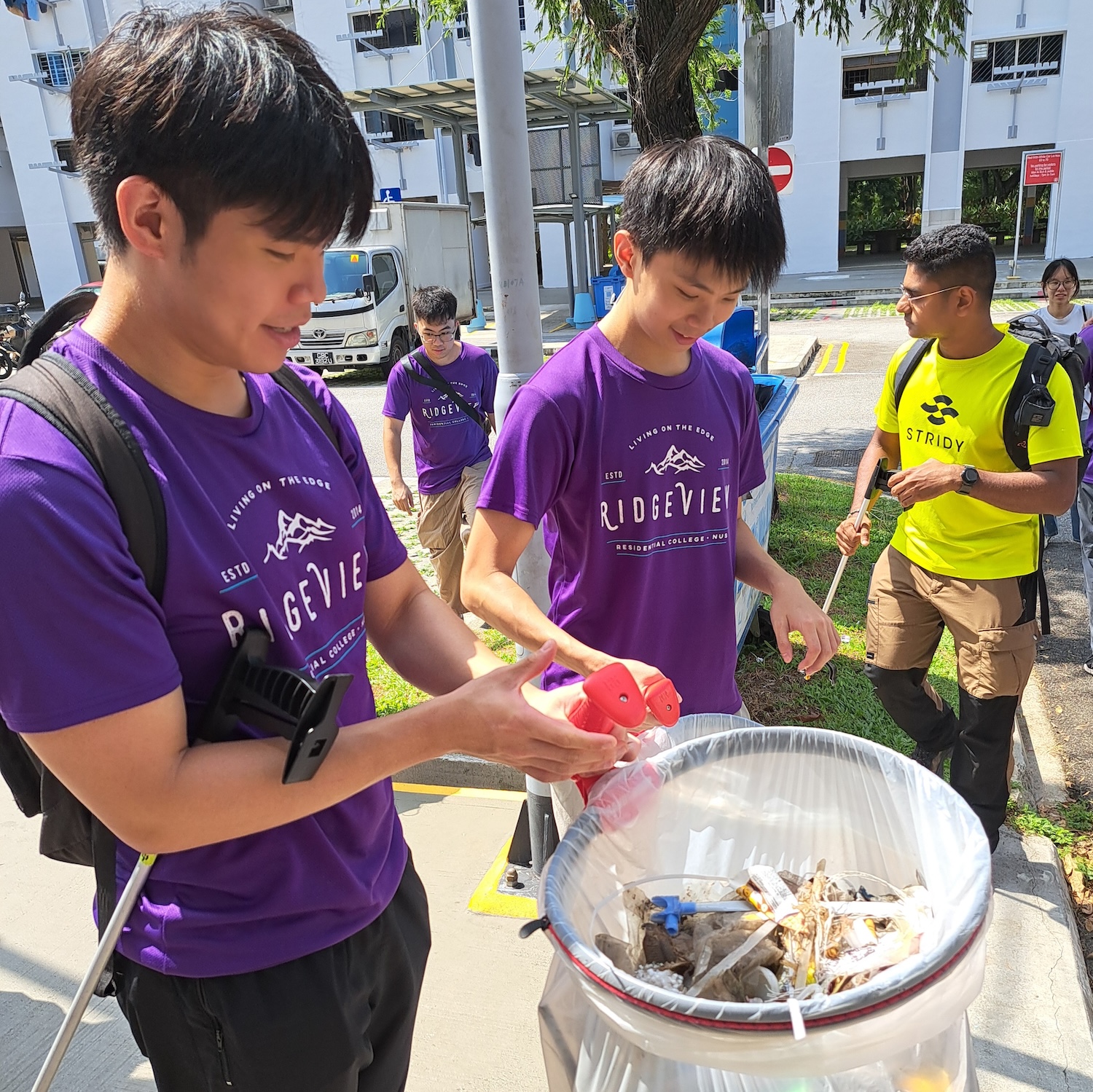
Litter Audit with Stridy
Stridy became an RVN2000 coursework partner in 2026, offering students the opportunity to conduct litter audits in Clementi. This fieldwork provides insight into urban litter dynamics and the limitations of Singapore's existing waste management infrastructure. By integrating field observations with theoretical frameworks, students develop an appreciation for community ownership of shared public spaces. In AY2025/26 Semester 2, students collectively removed 15.5kg of litter. RVRC's community impact can be viewed at: https://impact.stridy.com/rvrc. The partnership has also fostered sustained engagement beyond the course, with students pursuing a summer internship with Stridy.
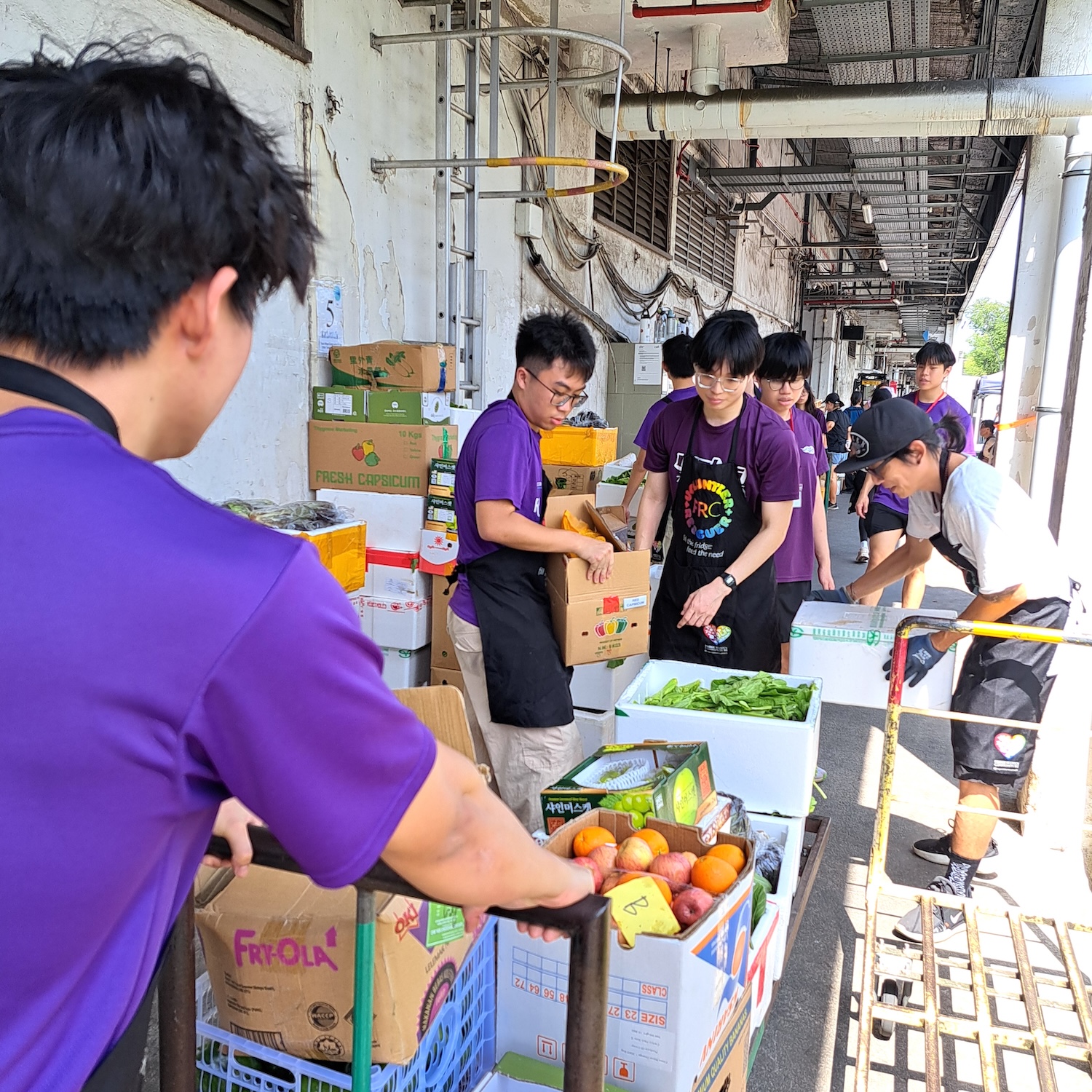
Fruit and Vegetables Rescue with Fridge Restock Community
Fridge Restock Community SG has been an RVN2000 coursework partner since 2024, offering students direct engagement to observe food waste issues and grassroots community action. Through this partnership, students participate in fruit and vegetable rescue missions at Pasir Panjang Wholesale Centre, gaining first-hand insight into the systemic causes of food waste in Singapore. Interactions with volunteers foster a deeper appreciation of how grassroots initiatives generate meaningful environmental and social impact. In AY2025/26, students collectively rescued approximately 19.5 tonnes of surplus food, diverting it from disposal to communities across Singapore.
Successful Implementation of Student Projects
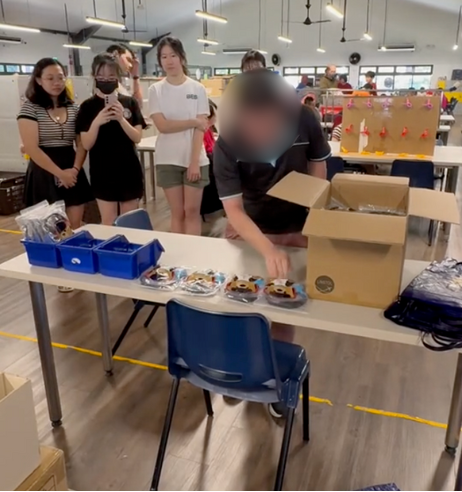
RVN2003 Project: Empowering by Design
Through the Innovation in Action project for the course, students collaborated with MINDS Regional Hub (Hougang) to develop inclusive solutions addressing the learning and workplace needs of persons with intellectual disabilities. Guided by Universal Design principles and Design Thinking methodology, students identified challenges, prototyped solutions, and refined their designs through iterative testing. The project focused on strengthening essential life skills and improving efficiency in packing Singapore Airlines headsets. Beyond technical outcomes, the collaboration cultivated empathy, creativity, and problem-solving competencies, while demonstrating how thoughtful, user-centred innovation can meaningfully support the independence and participation of persons with intellectual disabilities within the broader community.

RVN2000 Project: No Box No Go
Arista Ho Zhen, Eliza Lim Siew Ping Yi, Hor Kia Wei, and Javier Chia Yi Xian
The initiative to eliminate packaging waste at the RVRC Dining Hall originated from a rubbish-sorting activity conducted during the course field trip. Upon observing that the Dining Hall's Grab-and-Go stall generated a disproportionate volume of single-use disposables, students identified a clear contradiction with RVRC's ethos as a sustainable community. In response, they proposed eliminating packaging waste from the stall, aligning with NUS Zero Waste's goal of eradicating single-use disposables by 2025. This project reflects the conviction that meaningful environmental change need not follow a top-down approach, but can be driven effectively at the student level.

RVN2001 Project: Rewilding Yishun Park
Soh Yong Xian Dan, Lo Mei Hui, Yeoh Jun Ting, Heng Chin Yee, Sarah, and Brian Chow Wei Xuan
As part of the course group project, students proposed a rewilding plan for an under-utilised site at the fringe of Yishun Park's forest. Employing a deliberate rewilding strategy of planting trees and shrubs to establish a forest buffer zone, the proposal was pitched to NParks and MP Louis Ng of Nee Soon GRC, with support from RVRC and the Nature Society Singapore. The project was subsequently registered under NParks' Youth Stewards for Nature 2023 programme. Implementation included site surveys to document resident fauna and a student-led tree planting event, with increased faunal activity serving as the key success metric.

RVN2000 Project: Dining Hall Meals for RV Community Workers
Beatrice Chen Sung Ting, Daniel Christopher Chan, Higashi Shion, Ryan Lim Guan Quan
The RVRC Dining Hall faces a persistent sustainability challenge, with significant volumes of unserved food discarded after each meal service. To address this, students investigated the root causes of food wastage and explored viable solutions through multiple ideation rounds. Two key interventions were identified: communicating the redistribution of unserved food to the broader RVRC community, and extending dining hall access to RVRC community workers. What began as a food waste reduction initiative has since evolved into a broader community-building effort, enabling community workers to dine alongside residents, and is sustained by meal credit donations from RVRC students.